Cargo Bikes and the Last Mile: How European Cities Are Changing Delivery
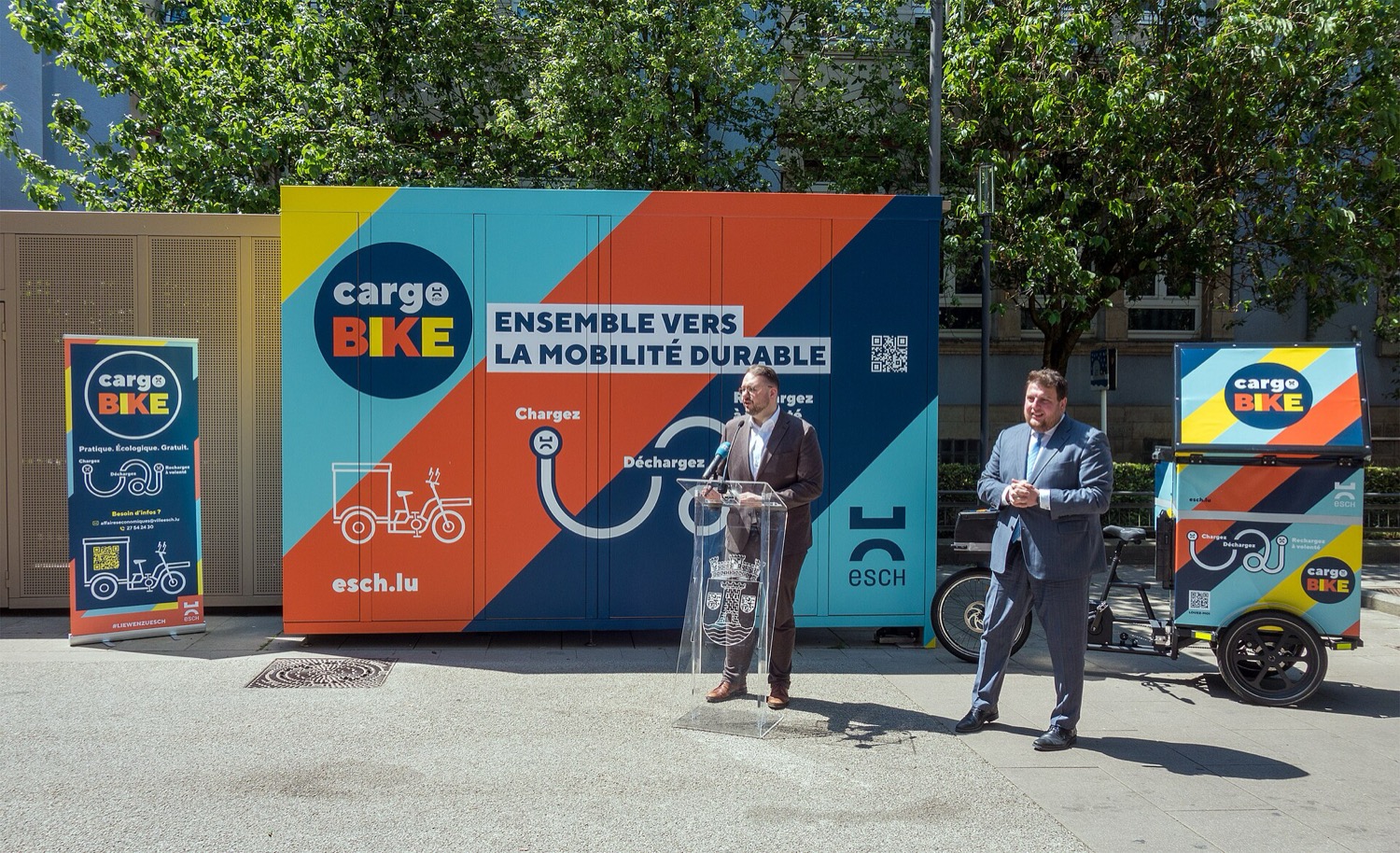
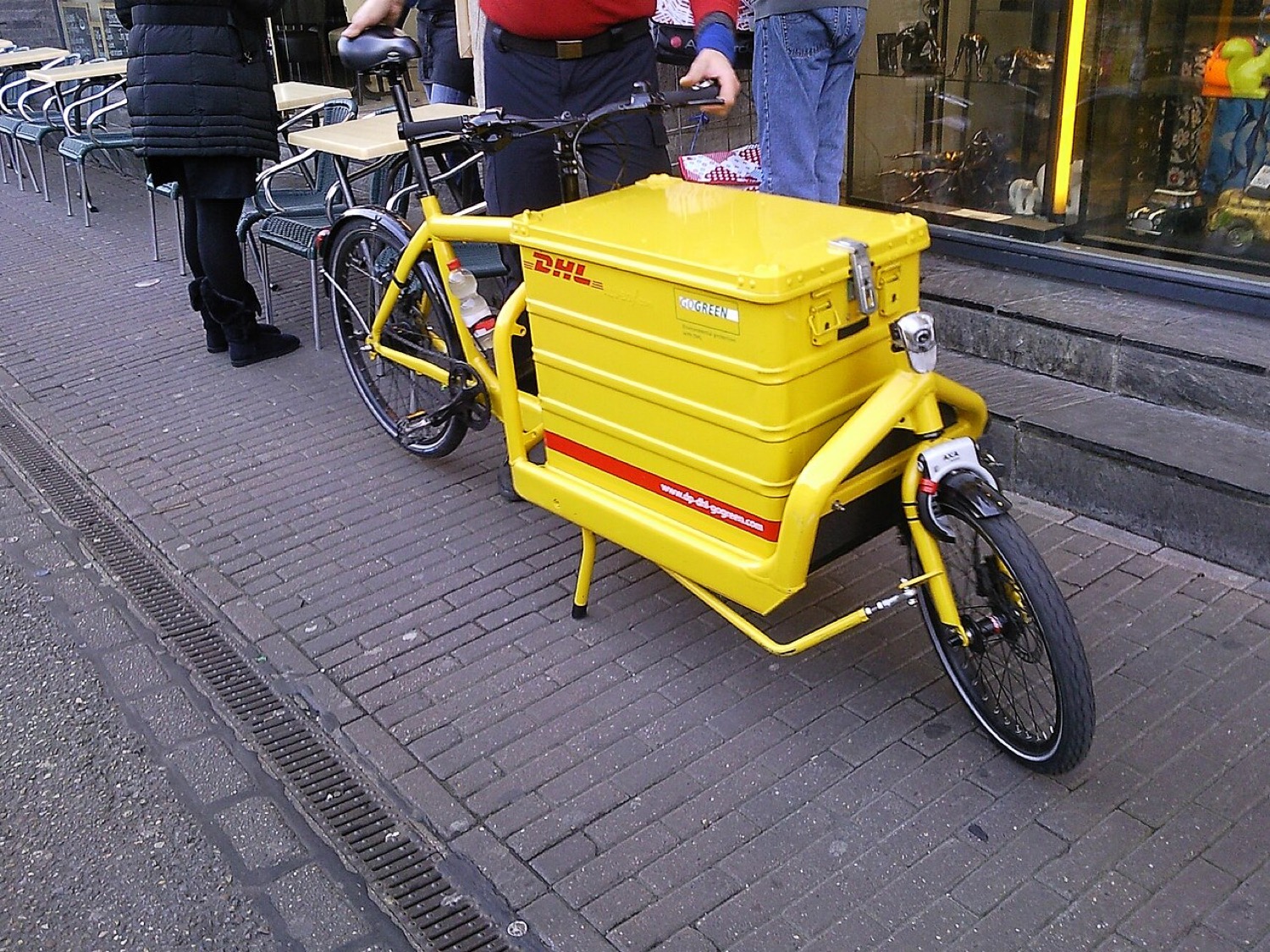
In dense European city centres a cargo bike can be faster than a van: no parking, access to bike lanes and pedestrian zones, and no congestion charge. Postal services, laundry services, couriers and food delivery firms have all moved part of their last-mile work onto two and three wheels.
Why the switch is happening
- Access rules. Low-emission zones and car-free centres make vans slower and more expensive.
- Running costs. An e-cargo bike costs a fraction of a van to buy, insure and charge.
- Speed. In central areas, average delivery times by cargo bike often match or beat vans.
- Image. Retailers want visibly low-carbon delivery.
What slows it down
Reliability is the main brake. Heavily loaded e-cargo bikes wear components quickly, and a bike in the workshop is a bike not earning. That is why fleet operators have become some of the most demanding customers for durable drivetrains, from industrial chains to dual-engagement sprocket systems, and why cost per kilometre has become their key number.
Event days: the ultimate stress test
Nothing tests a city delivery fleet like a big event. Stadium match days, race meetings, fight nights and festival weekends bring road closures, crowds and a surge in food and goods orders. Cargo bikes thrive when vans are stuck behind barriers, but every breakdown hurts more on those days. The best operators plan fleet maintenance around the sporting calendar, and some even use bookmaker-style probability models to decide how many spare bikes to hold back for the busiest nights.