Marginal Gains and the Betting Line: When Equipment Changes the Odds

In most sports equipment is background noise for bettors. In track cycling it can be the whole story. When Olympic finals are settled by less than two tenths of a second over four kilometres, a new skinsuit, a faster tyre or a drivetrain that wastes three fewer watts can flip a market. Teams know it. Bookmakers know it. Most bettors do not.
How many seconds is a watt?
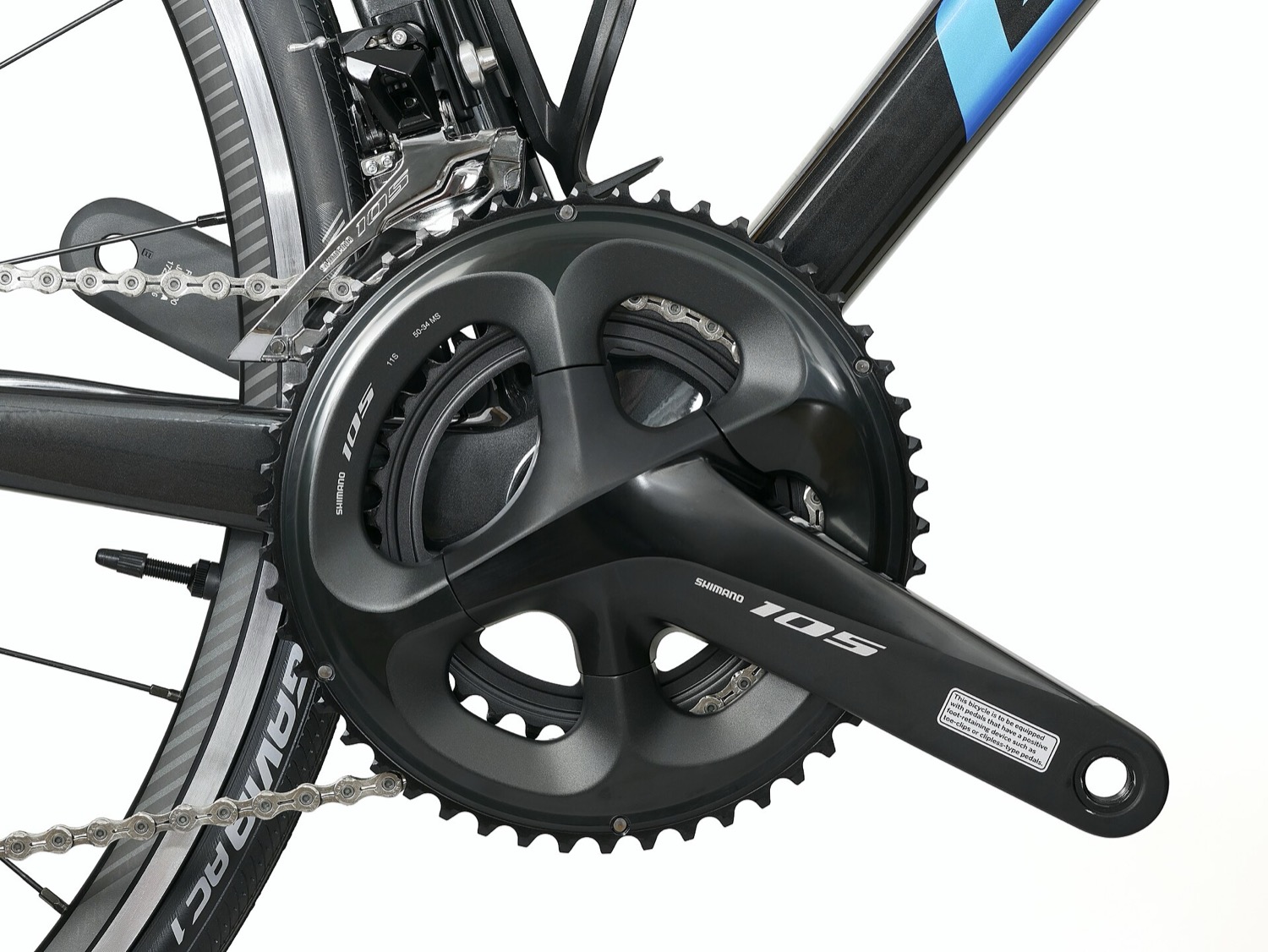
At team pursuit speeds, roughly 60 to 65 km/h, the power required rises steeply with speed. A saving of three to six watts per rider, the sort claimed for the most efficient chainrings and sprockets, translates into gains measured in tenths of a second over a 4 km pursuit. That is the same order of magnitude as many Olympic and World Championship winning margins. In other words, a drivetrain change can be worth as much as a better qualifying ride.
Where the information shows up
- Team equipment launches. National federations unveil new bikes and kit before major championships. A big launch usually means a team expects to go faster, and qualifying confirms it.
- Lab test data. Independent drivetrain efficiency testing, such as university-based rigs measuring chain and sprocket losses to a fraction of a percent, gives the clearest public signal of who has found watts.
- Qualifying rounds. The market reprices sharply after qualifying, so the edge lies in anticipating it from equipment news and pre-season form.
- UCI rule changes. When equipment rules tighten, teams with the biggest technical budgets lose some of their advantage and odds tighten across the field.
Dual-engagement drivetrains, explained in one paragraph
Most chainrings drive the chain on one side of each tooth. Dual-engagement designs, the best-known being the Enduo system from UK firm New Motion Labs, shape the teeth so that the chain bears on both sides, which reduces movement inside the chain and the friction that comes with it. Manufacturers claim around half the drivetrain losses of a conventional set-up at track power levels. For a bettor the details matter less than the principle: when a team adopts a measurably more efficient part, its times should improve, and the market usually notices only after qualifying. Our full explainer covers the engineering.
Reading the margins: follow equipment launches before championships, treat independent lab data as an early signal, and remember that in timed events the market often prices equipment gains only after the first qualifying ride.