Racing & Odds
Bike racing and betting have shared a track since the first six-day races in the 1870s. Today the money runs through Japanese keirin pools, Grand Tour outrights and Olympic track markets.
This section explains how those markets work. We cover the formats and bet types, how bookmakers and pari-mutuel pools set prices, and why cycling is still one of the few sports where specialist knowledge regularly beats the odds. Equipment is part of that knowledge. In events decided by tenths of a second, the engineering stories in our Tech section are market-moving news.
All Racing & Odds articles
6 articles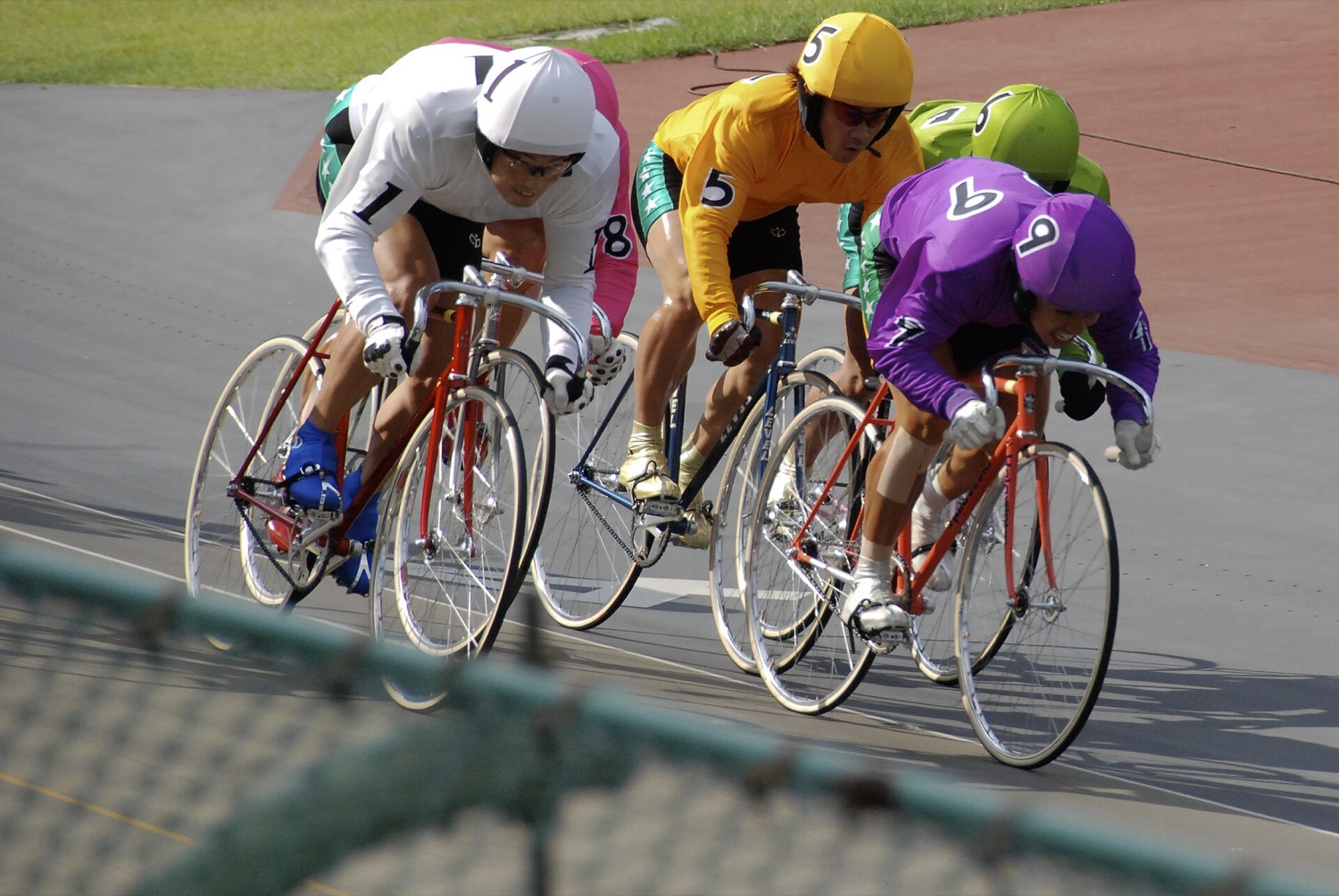
Keirin: How Japan Turned Track Cycling Into a Betting Sport
Keirin is the only form of cycling built from the ground up for the betting window. How Japan's pari-mutuel track racing works, what the bet…
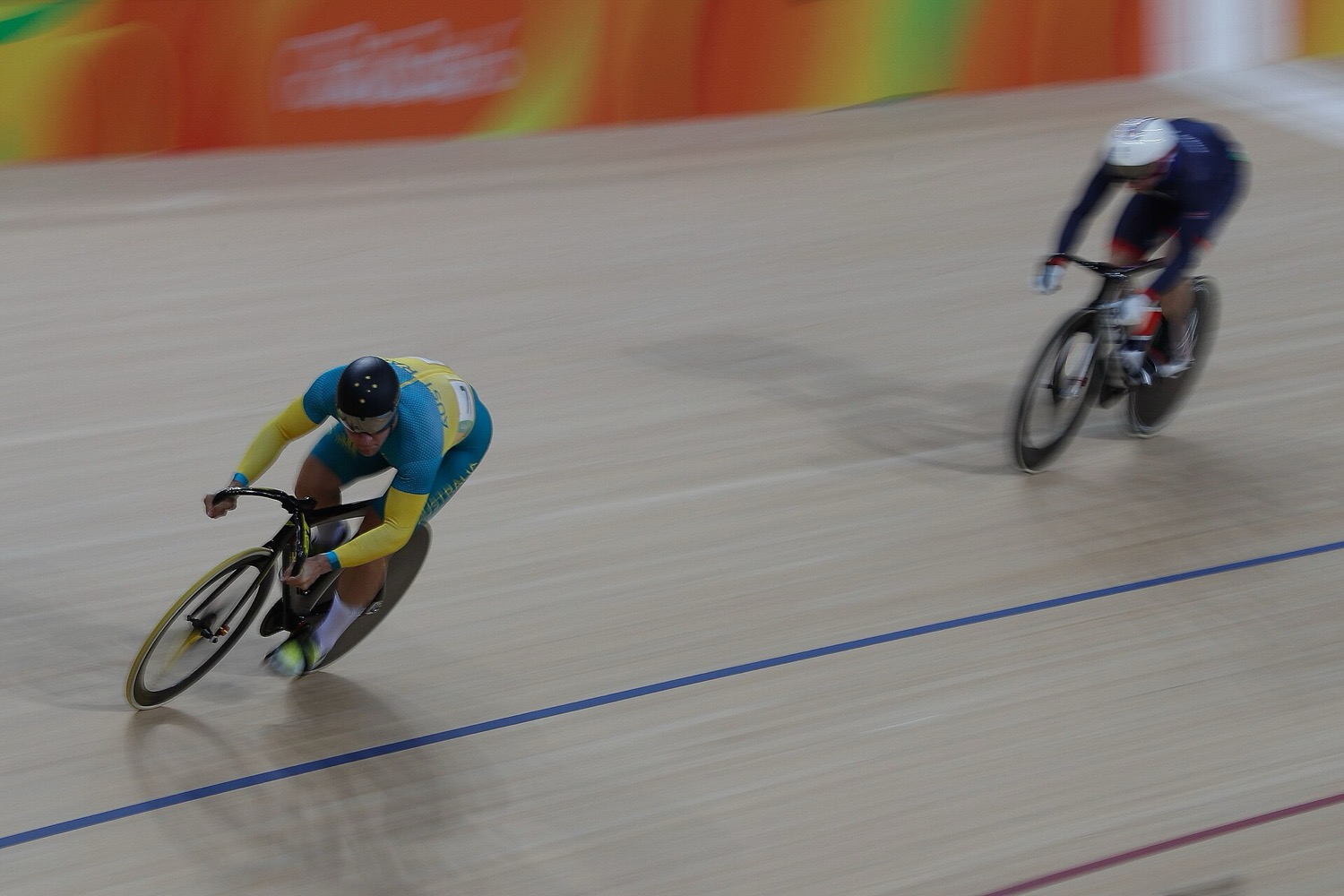
How to Read Track Cycling Odds: Sprint, Keirin, Pursuit and Omnium
Track cycling markets look simple until the first round of the sprint. A practical guide to how bookmakers price Olympic and World Champions…
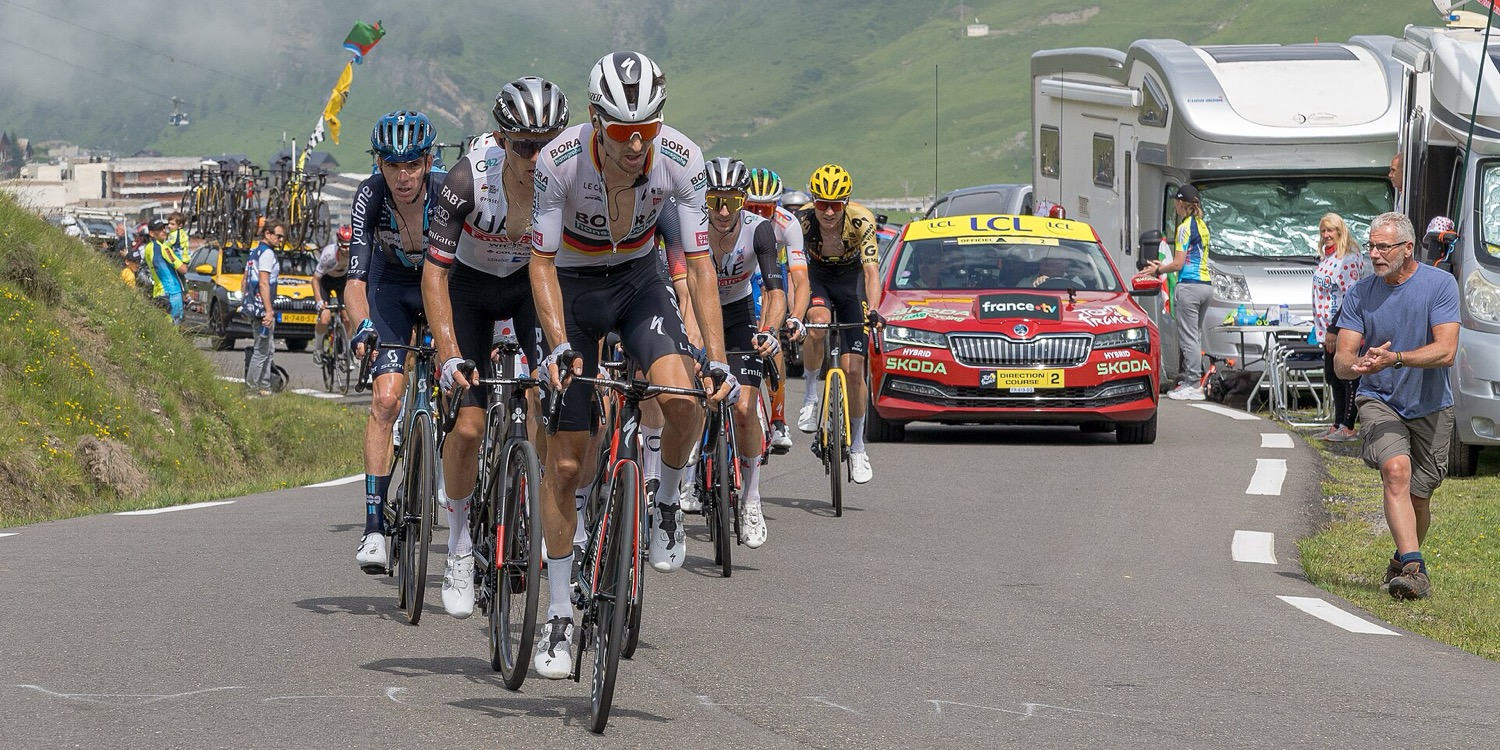
Tour de France Betting Markets Explained
Yellow jersey outrights, stage winners, head-to-heads and each-way terms. How Tour de France betting works, how the odds move over three wee…
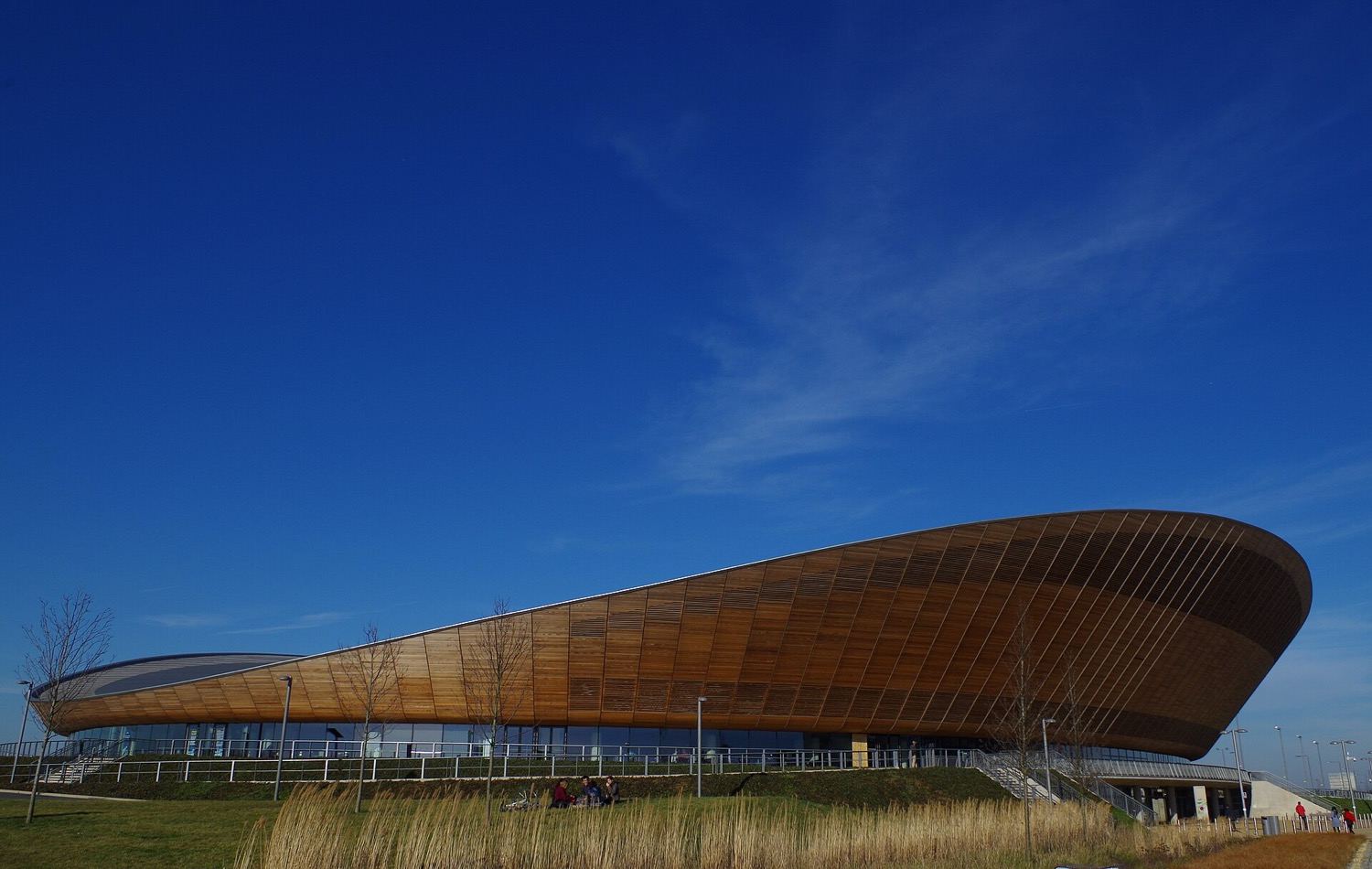
Marginal Gains and the Betting Line: When Equipment Changes the Odds
Track races are decided by tenths of a second and a few watts. How equipment programmes, drivetrain efficiency and aerodynamics move betting…
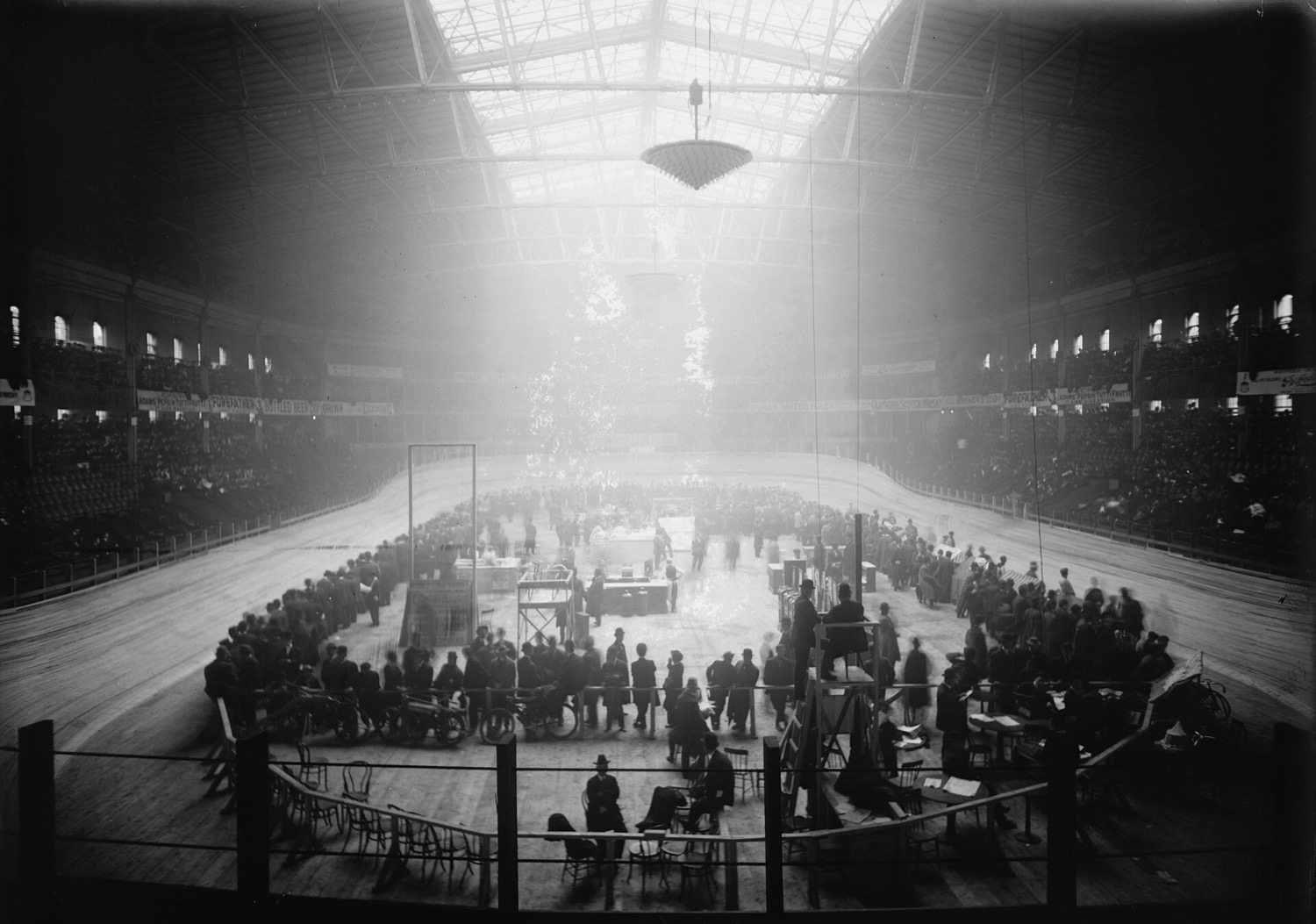
Six-Day Racing: Velodromes, Bookmakers and the First Betting Boom in Cycling
Before football, before the Tour de France, there was six-day racing: crowds, smoke, bands and bookmakers on the infield. The history of cyc…
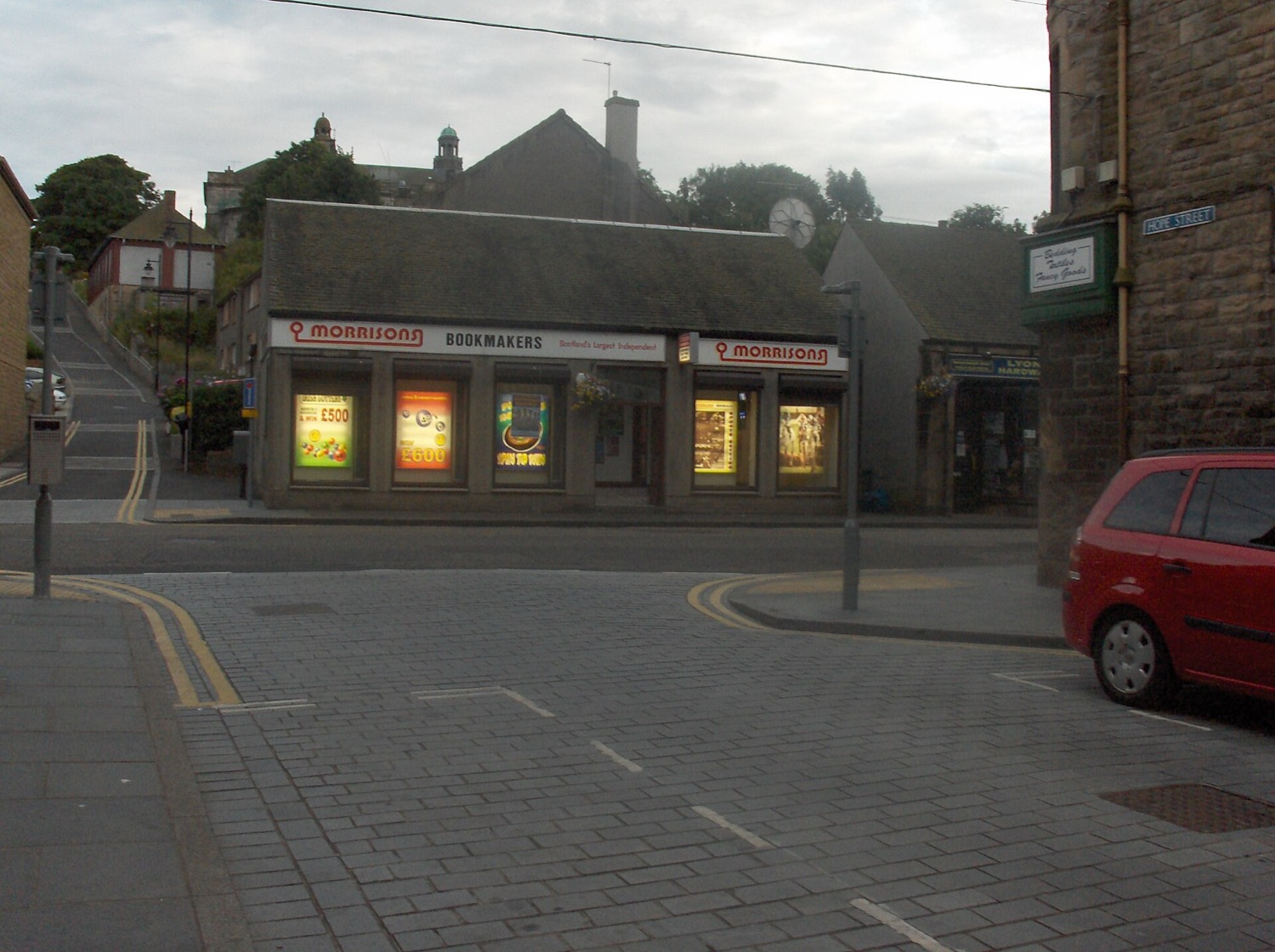
Betting on Cycling: A Practical Guide From Velodrome to Grand Tour
Which cycling races offer the deepest markets, how bookmaker margins compare across events, and the habits that separate informed cycling be…