Chain Wear: How to Measure It and When to Replace
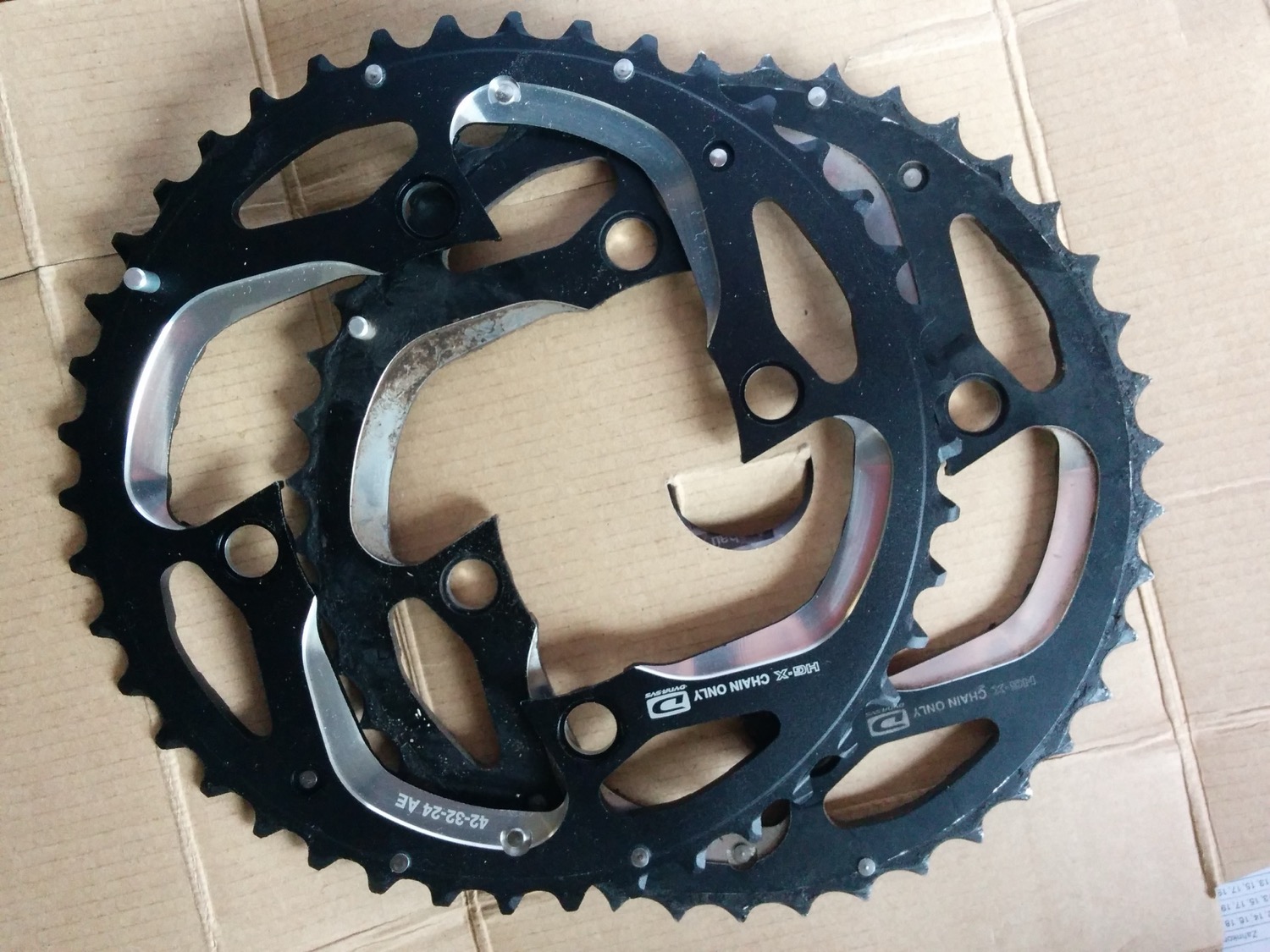
Chains do not stretch, strictly speaking. Their pins and bushings wear, the pitch between rollers grows, and the chain stops sitting properly on the teeth. Catch it early and you replace a cheap chain. Leave it and you replace the chain, the sprockets and the chainring together.
How to measure
- Chain checker tool. The quickest method: drop the gauge into the chain and read 0.5 or 0.75 percent elongation.
- Ruler method. Over 12 inches of a new chain, pin to pin, the measurement is exactly 12 inches. At 12 and 1/16 inches it is time to replace on most bikes.
- Feel and sound. Skipping under load, a chain that lifts off the chainring when pulled forward, or a rough noise are late warnings.
When to replace
Most manufacturers recommend replacing at 0.5 percent elongation for 11- and 12-speed drivetrains and 0.75 percent for single-speed and hub-gear bikes. E-bikes and cargo bikes reach those limits far sooner than pedal bikes because of motor torque and load; conventional drivetrains on London delivery fleets have been reported to last only a few months.
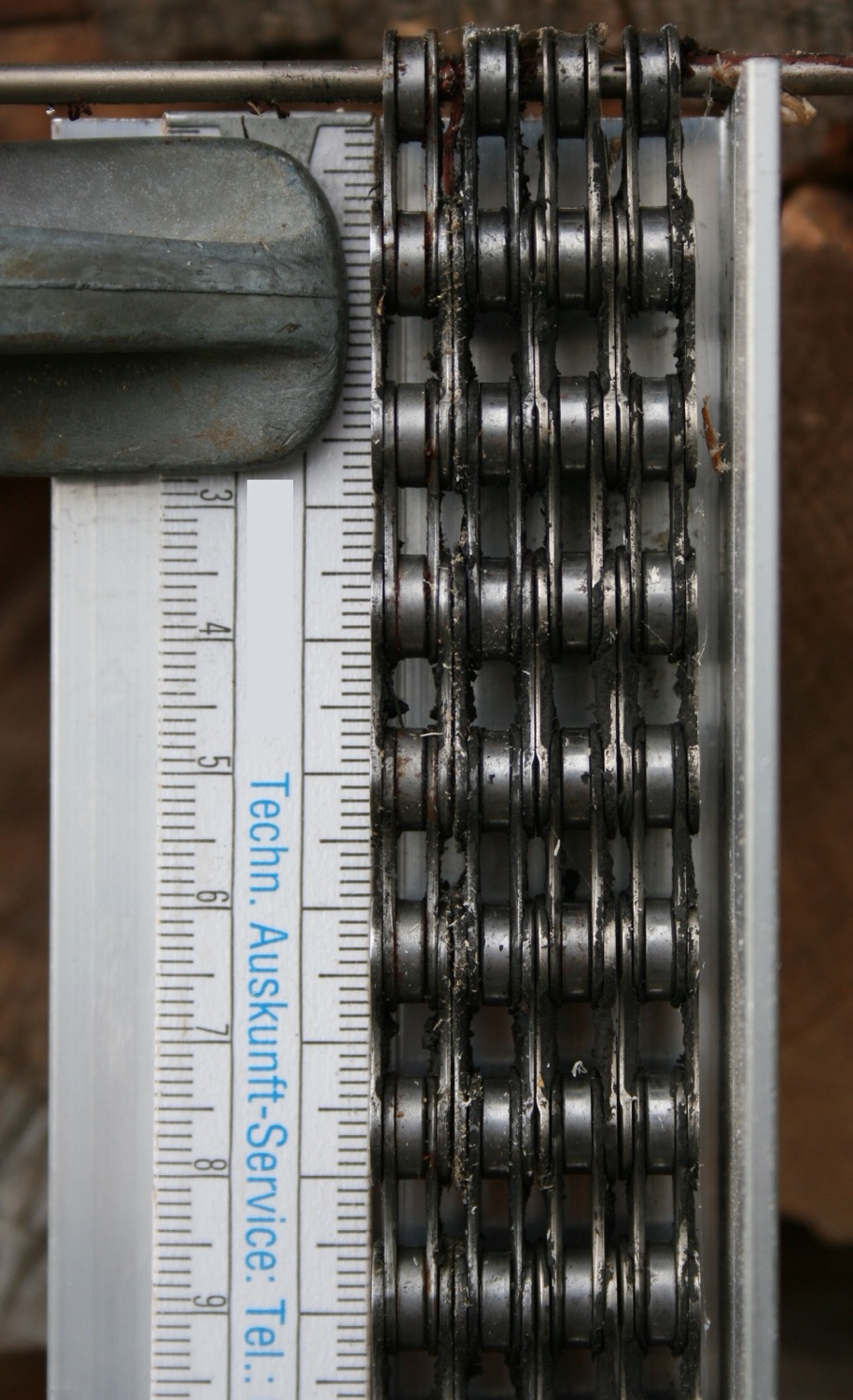
Thinking like a bookmaker
Fleet managers increasingly treat drivetrain replacement as a probability problem rather than a schedule. Every kilometre on a worn chain raises the odds of a failure on the road, and a failure costs far more than the part: a missed delivery, a towed bike, a rider off shift. The optimal replacement point is where the expected cost of failure overtakes the cost of the part, exactly the way a bookmaker balances a book. Our piece on e-cargo cost of ownership runs the numbers.