How Much Power Does a Bike Chain Waste? Drivetrain Efficiency Testing Explained
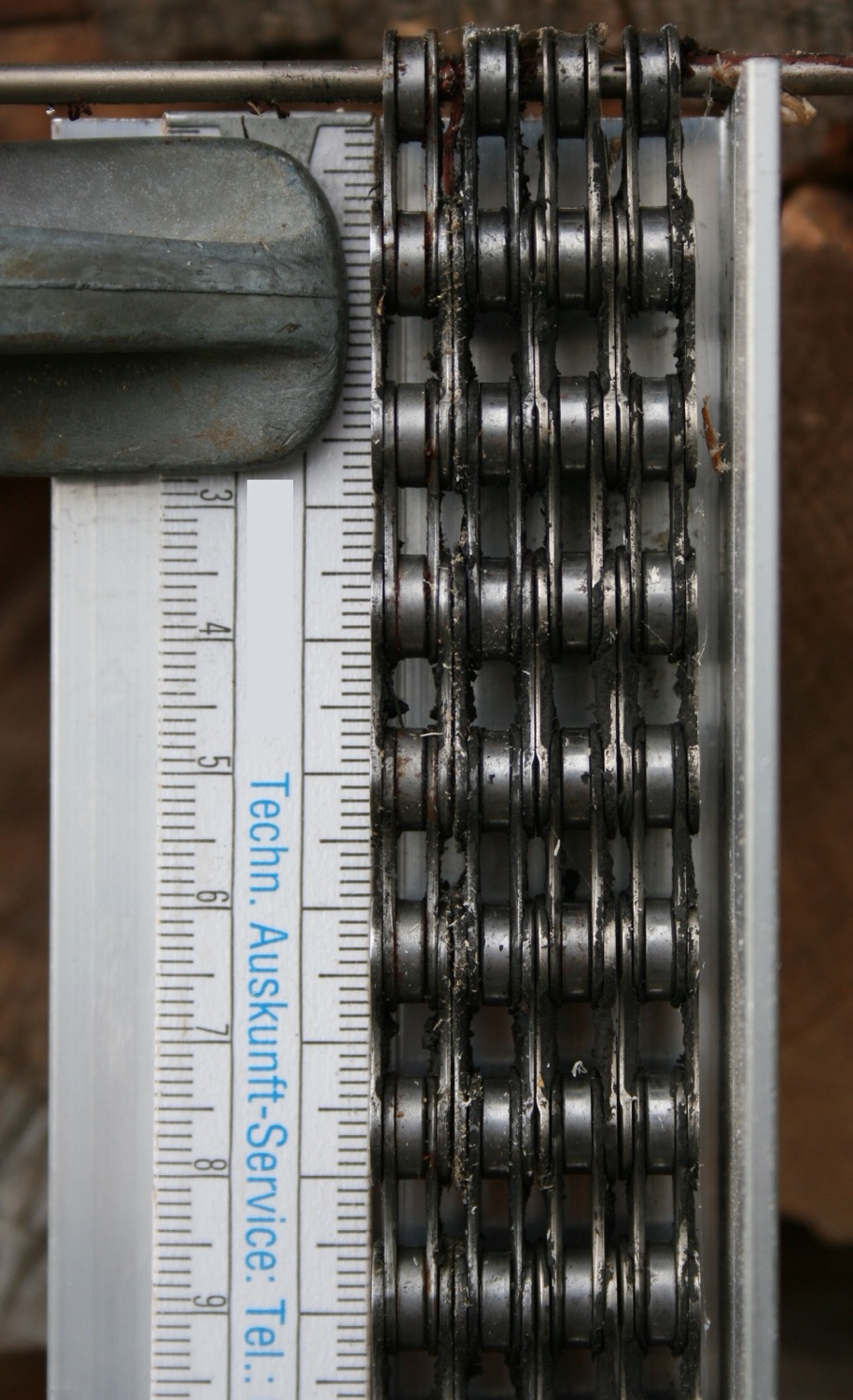
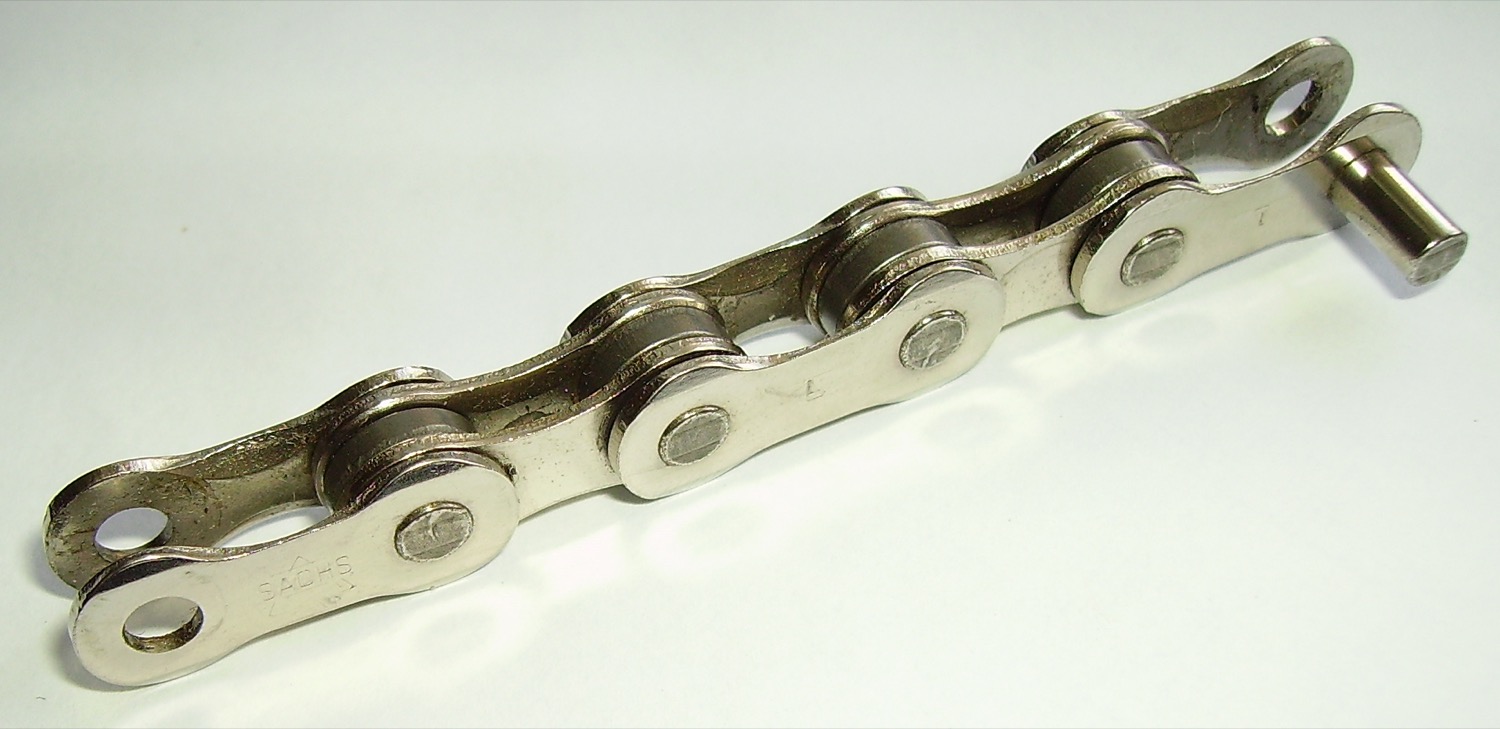
A clean, well-lubricated bicycle chain loses only a few percent of a rider's power. At 400 watts that is still eight to twelve watts disappearing as heat, and in elite racing the fight is over the last one or two. Measuring them accurately is one of the hardest problems in cycling engineering.
Why power meters are not enough
Commercial power meters are typically accurate to within one to two percent, which is larger than the differences between good drivetrains. To compare chains, sprockets and lubricants properly, labs use dedicated test rigs that measure input torque and output torque directly, with the chain under realistic tension and slack, at controlled speeds and power levels. The best rigs, including university-based facilities in the UK, claim accuracy of around a tenth of a percent.
What changes the numbers
| Factor | Typical effect |
|---|---|
| Lubrication and cleanliness | Often the biggest single variable; a dirty chain can cost several watts |
| Chain wear | Elongated chains engage poorly and lose efficiency |
| Sprocket size | Smaller sprockets articulate the chain more and lose more |
| Chain line | Cross-chaining adds friction |
| Tooth profile | Dual-engagement designs claim roughly half the losses at track power |
Why it matters beyond the lab
For track teams, verified watt savings become seconds, and seconds become medals. For bettors, the same data is an early signal: independent lab results published before a championship tell you which equipment programmes have found speed. Our track odds guide explains why timed events reward that kind of information more than any other cycling market.